
You need listed building consent before you demolish any part of a listed building, or alter or extend it in a way that affects its character, inside or out. You need it whether or not you also need planning permission. There is no fee to apply.

What is a listed building?
A listed building is a building or other structure of special architectural or historic interest that is on a statutory list and has been given a grade.
The three grades are:
- Grade I, buildings of exceptional interest
- Grade II*, buildings that are particularly important and of more than special interest
- Grade II, buildings of special interest that warrant every effort being made to preserve them, and the most common grade
Listing covers the whole building, inside and out, and can cover objects fixed to it. It can also cover any object or structure within the building's curtilage that forms part of the land and has done so since before 1 July 1948. A barn or wall in the curtilage that was built before that date is protected too, so work on it needs listed building consent as well. Working out whether a building has a curtilage, and how far it reaches, can be difficult, and it is the local planning authority that decides.
In broad terms, buildings eligible for listing include all those built before 1700 that survive in anything like their original condition, and most buildings of 1700 to 1840, although selection is necessary.
When a property changes hands, a land search will reveal that the building is listed. If you do not know the grade, you can find it in the National Heritage List for England.
How is listed building consent different from planning permission?
Listed building consent is a type of planning control that protects buildings of special architectural or historic interest, and it applies in addition to any planning rules that would normally apply. The two are separate systems, so some work needs both, and other work needs only one or neither.
In general, planning permission is needed if the work would usually need it on a building that was not listed. Internal work, for example, does not count as development, so it does not need planning permission.
Being listed can also mean you need planning permission where you would not ordinarily need it. There is a separate guide to the planning rules for an outbuilding or garage beside a listed house.
What work needs listed building consent?
You need listed building consent to alter a listed building, do work to it or extend it if the work would affect its character as a building of special architectural or historic interest. This applies to work inside and outside the building. You will normally need listed building consent to demolish part of a listed building.
Examples of work that needs consent include:
- changing roof materials
- alterations to interior walls
- painting stone or brickwork, or covering it in other types of cladding
- adding structures or fixing objects to a listed building
- repairs not carried out in matching materials
- fitting new boilers, ovens or stoves that need new flues
What work does not usually need consent?
Prudent maintenance and general repairs call for no special action, unless you want to make alterations to the listed building.
Work that would not normally need consent includes internal works such as redecorating, as well as installing bathroom and kitchen fittings and central heating installations. If these works interfere with important internal features such as panelling or mouldings, consent may be required. These examples are for guidance only, and the list is by no means comprehensive.
What if you are not sure whether you need consent?
If there is any doubt about whether listed building consent is required, GOV.UK's guidance encourages owners and developers to discuss the matter with the local planning authority before submitting any application.
One example is Adur & Worthing Councils in West Sussex, which provide free advice to owners of listed buildings. Site visits by the councils' conservation officer can usually be arranged, before work is carried out, to discuss particular problems.
A Certificate of Lawfulness of Proposed Works gives formal confirmation that proposed alteration or extension of a listed building does not need listed building consent. It does not cover demolition, and you can only get one for work that has not yet been carried out. Nobody has to apply for one.
How do you apply for listed building consent?
You apply with a site plan, a location plan, a design and access statement and a heritage assessment, with enough detail for the local authority to fully understand and evaluate the proposal. You cannot make an application for outline listed building consent. Any application must give enough detail, including a plan and other drawings, for the impact of the works on the building to be properly assessed.
It is often helpful to discuss your proposal with your local authority before you send in your application, which is known as pre-application advice.
The application itself has no fee, but if it is combined with full or householder consent, fees may be incurred from the other consent type. Planning Portal states that a listed building consent application should be decided within 8 weeks, counted from when the local planning authority validates it. That includes a consultation period of 21 days, when neighbours and interested parties can comment on the proposal.
Consent may be granted subject to conditions, such as the preservation of particular features of the building, or making good any damage caused to the building by the works after the work is completed.
What happens if work is done without consent?
It is a criminal offence to carry out work that needs listed building consent without getting it beforehand. If unauthorised works to a listed building are unsympathetic, the council can take enforcement action, which may require the building to be restored to its former state. The courts do not regard ignorance of listing as a defence where work is undertaken without the necessary consent.
Consent can be applied for after the work has been done, but the work is only authorised from the date the consent is given.
Need help with listed building consent?
At The Oak Blokes, we advise on heritage regulations and planning permissions, put in listed building consent applications, and deal with conservation officers and heritage consultants. We also support heritage statements, and put together the scope, methodology and material specifications before any work starts.
In the words of Mayfield, a client: "They were so highly thought of by the local conservation officer that we had no problems getting our planning applications through whatsoever, and we're Grade II listed."
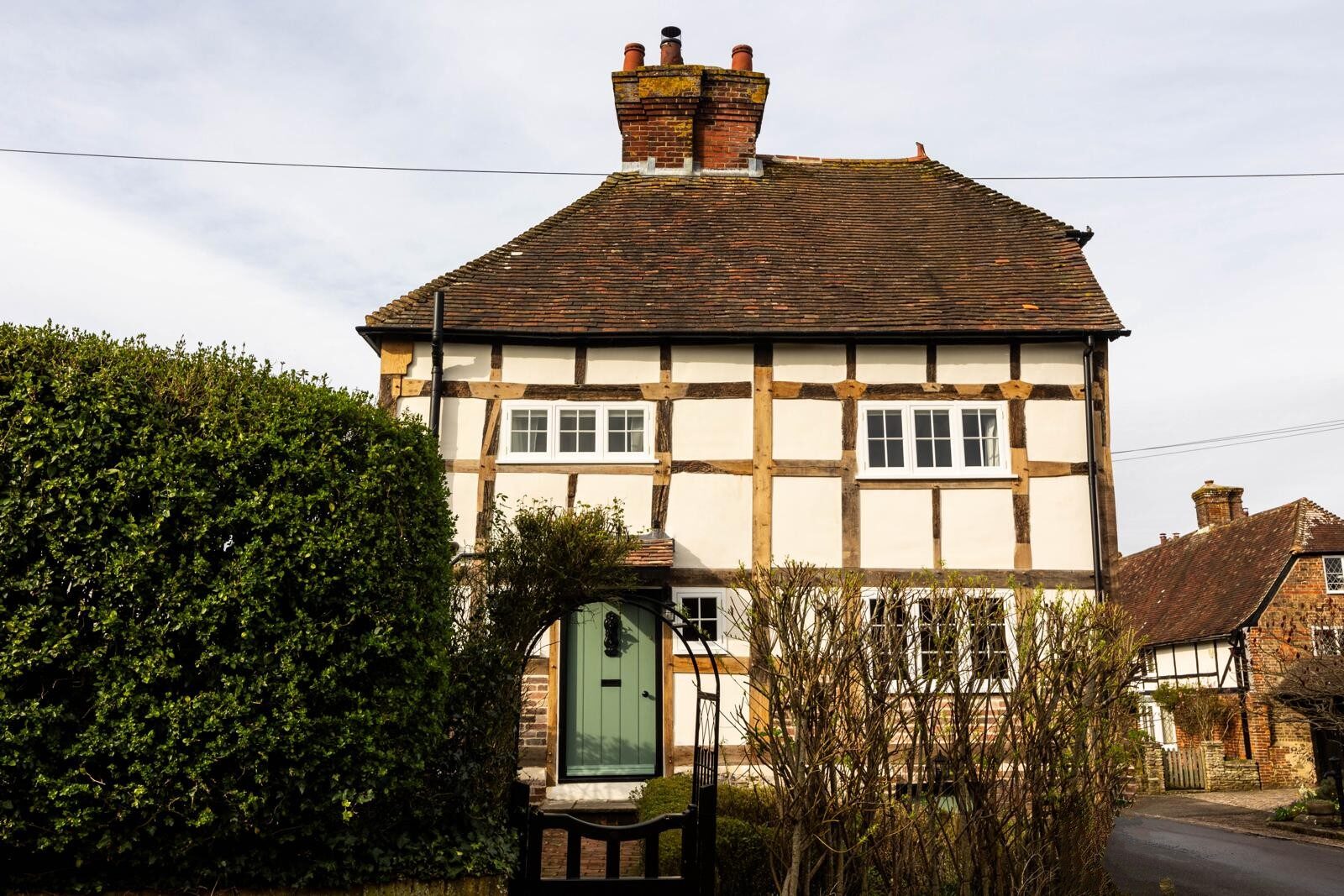
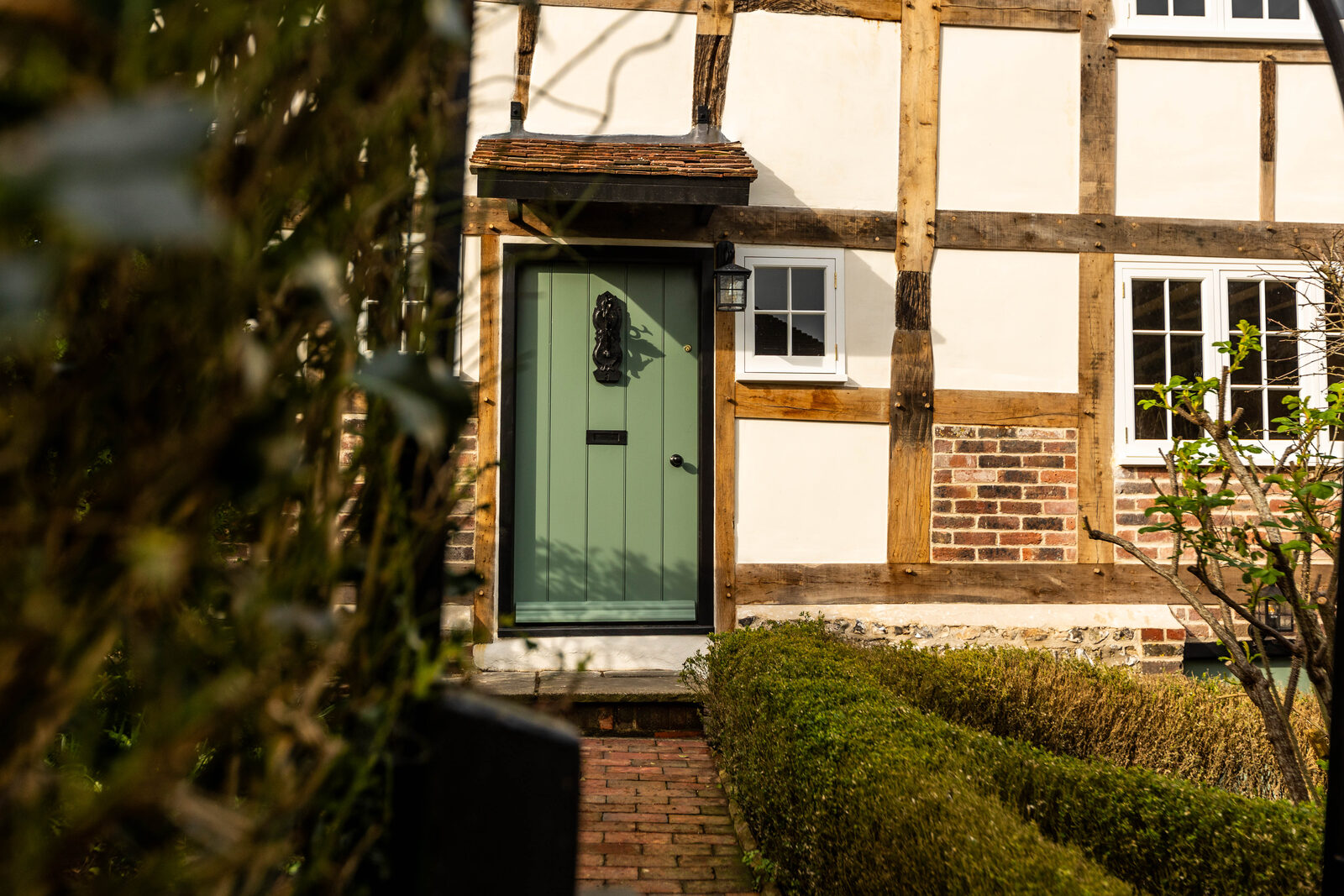
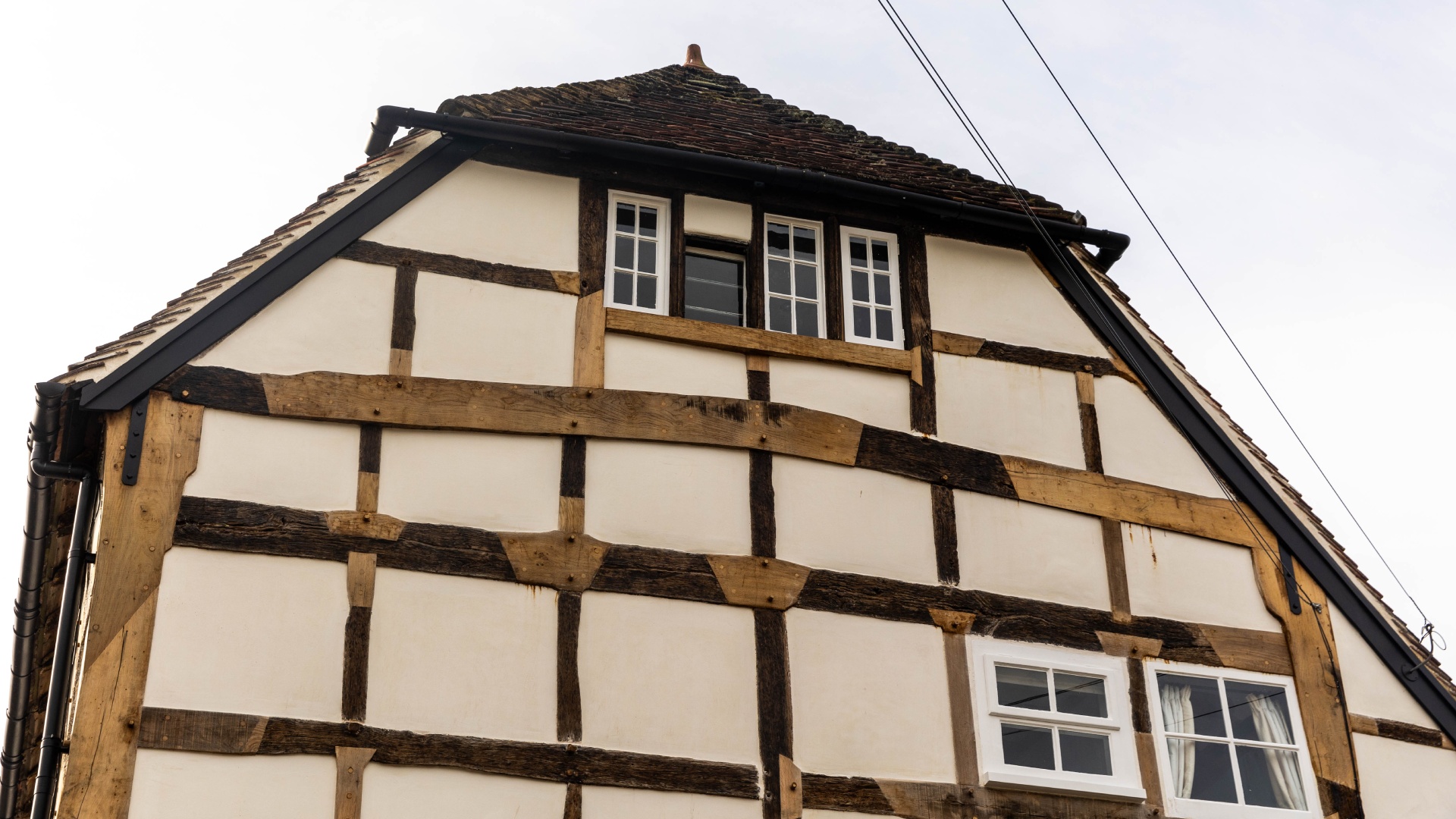
We were commissioned to repair Kent Cottage, a Grade II listed cottage from the 17th century. Inappropriate repairs from the 1990s had accelerated decay. We repaired and refaced the original timber frame, repaired the stone substrate, applied a breathable lime render and replaced the softwood windows with hardwood.
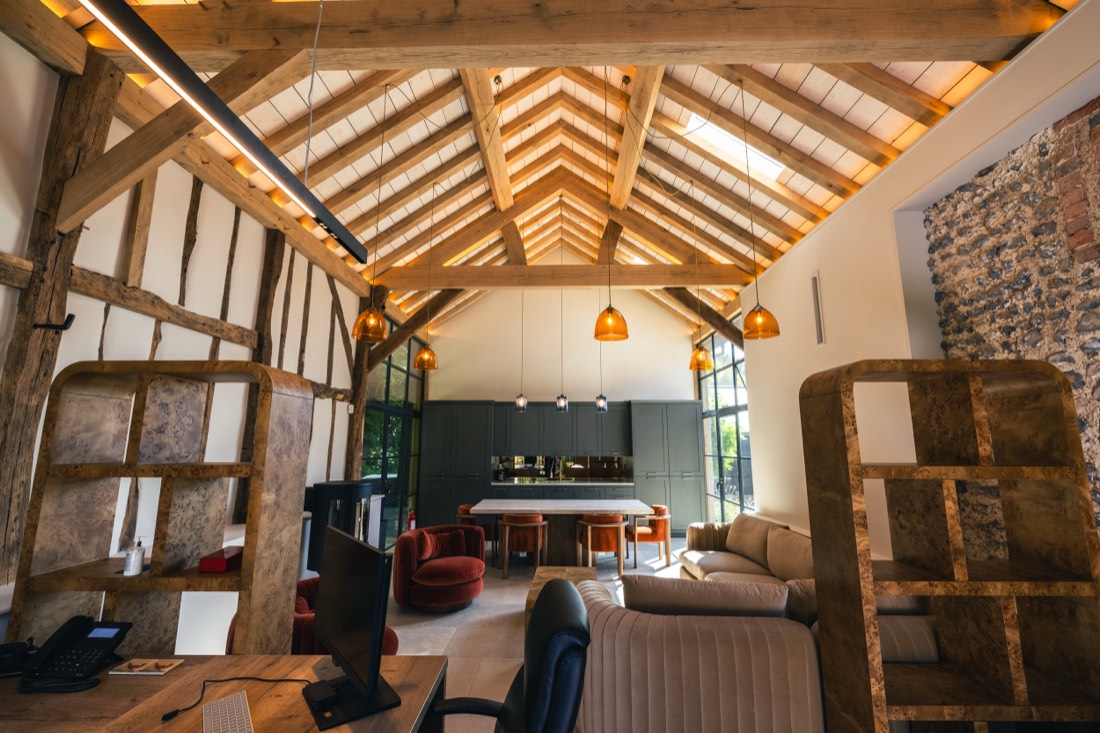
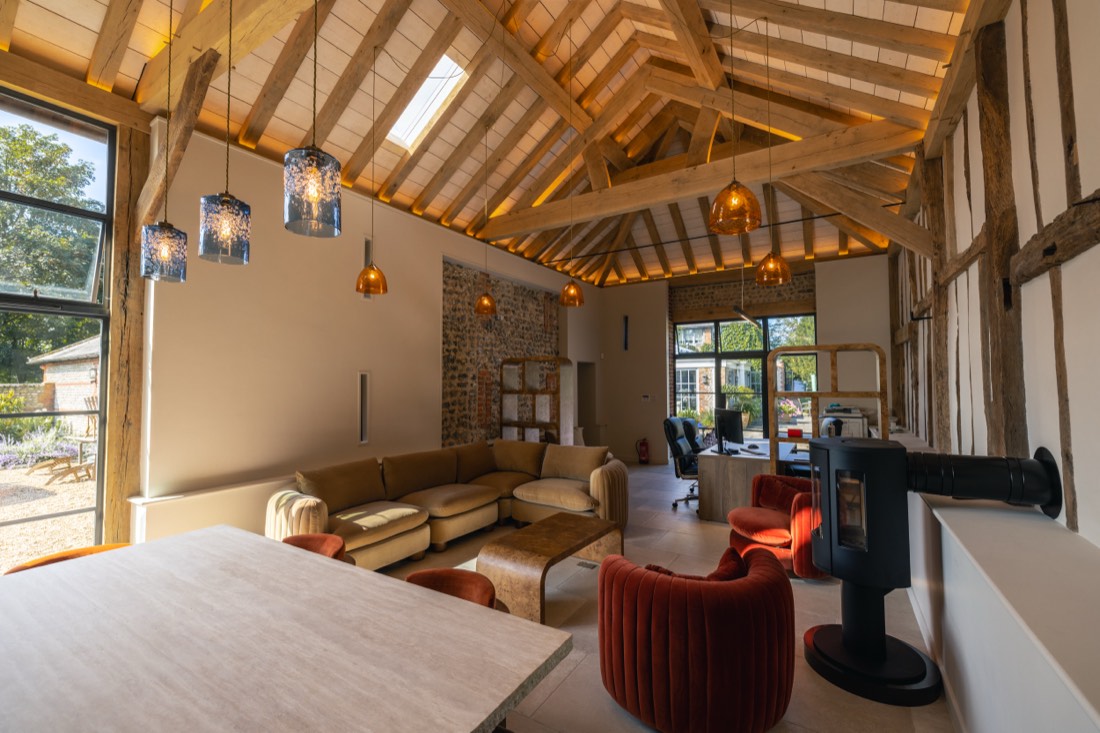
We were also commissioned to renovate the Grade II Flint Barn, a 17th century listed building on a historic manor estate. The work included a newly crafted oak roof, the original oak frame wall saved and restored, the flintwork conserved and new Crittall-style windows installed.
Our work on listed buildings won Sussex Heritage Trust Awards in 2024 and 2025, and was Highly Commended in 2026.
To start, send the listing grade and a few photos, and we'll come back with a methodology.
Have a project in mind?
Tell us about the building.
Send the listing grade and a few photos, and we'll come back with a methodology.