
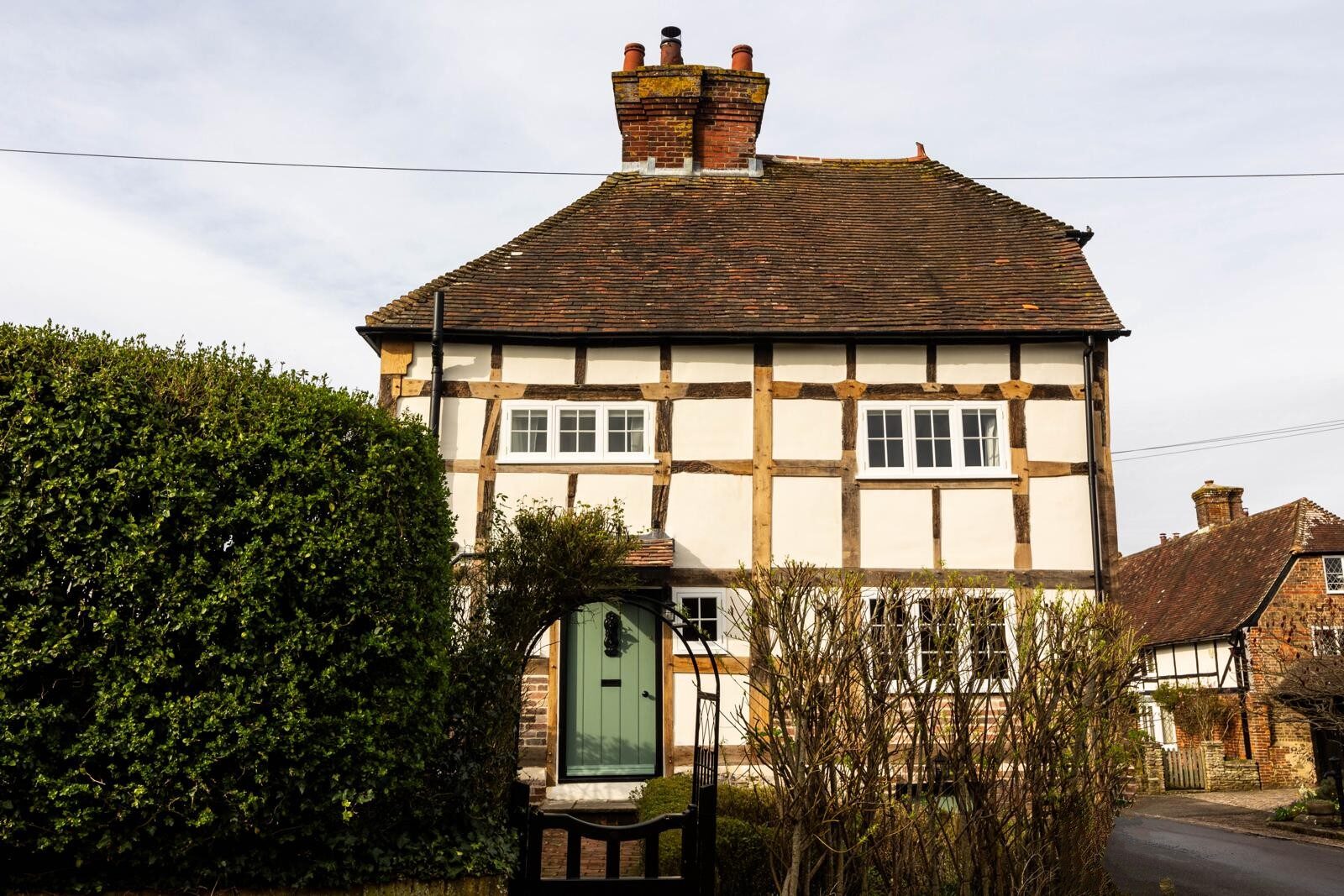
Lime render vs cement render: which should go on an old house?
By The Oak Blokes ·
Lime render is the better choice for most old houses, because old walls need to let moisture out and cement render traps it. SPAB, the Society for the Protection of Ancient Buildings, says a modern cement render is "incompatible with the construction of most old buildings and can cause or accelerate serious decay."
What render is
Render is a protective coat over the outside of a wall, a bit like an overcoat.
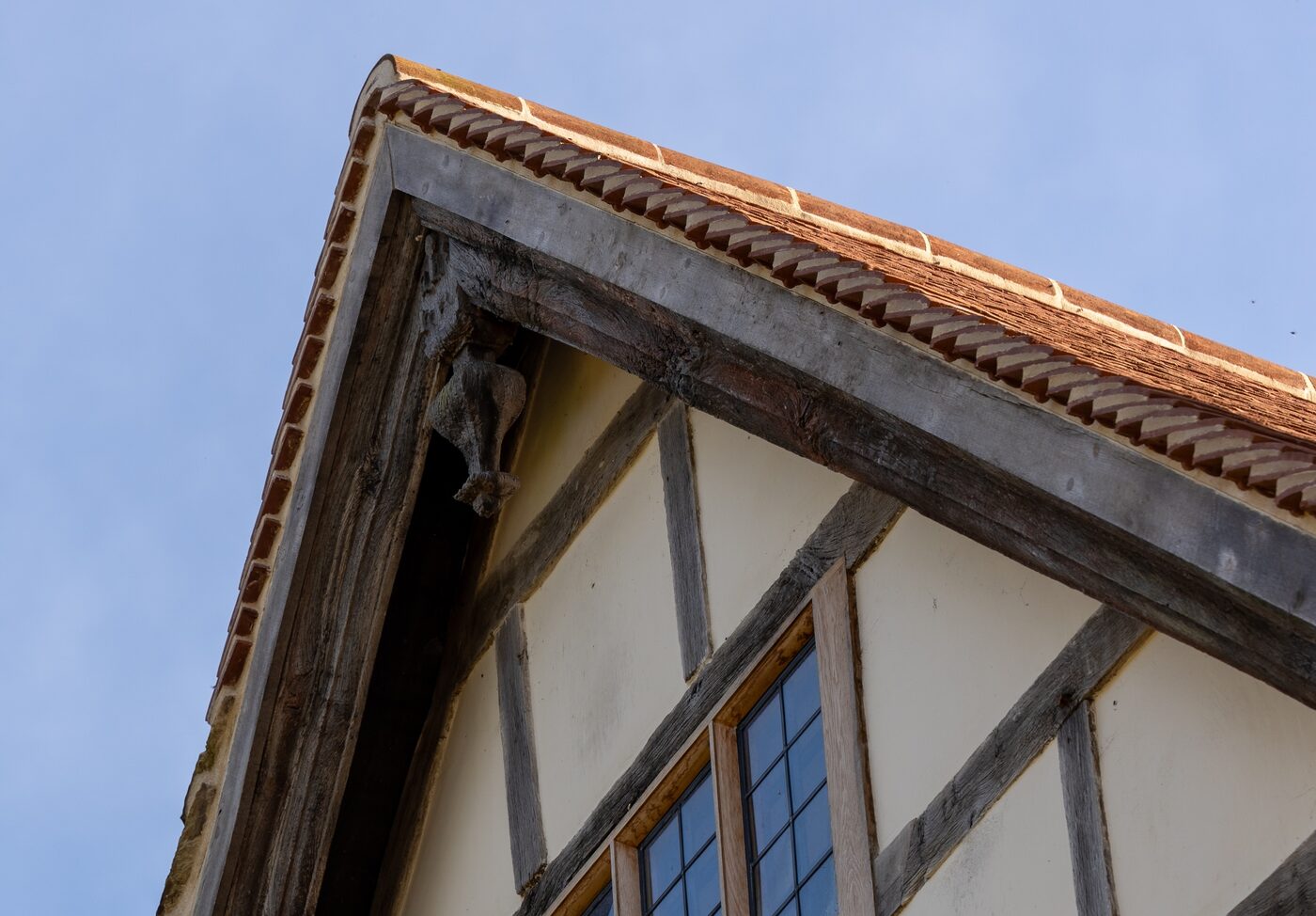
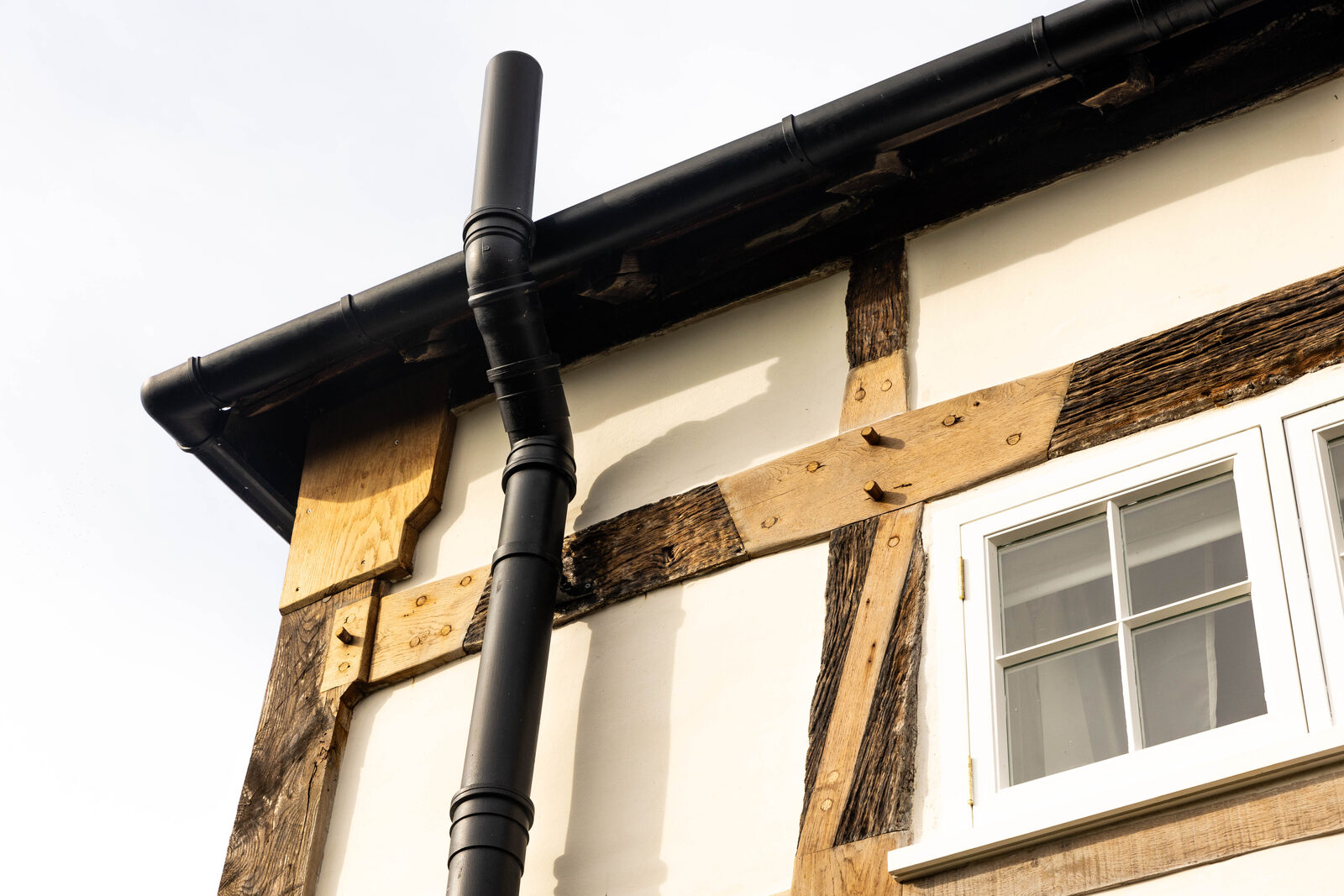
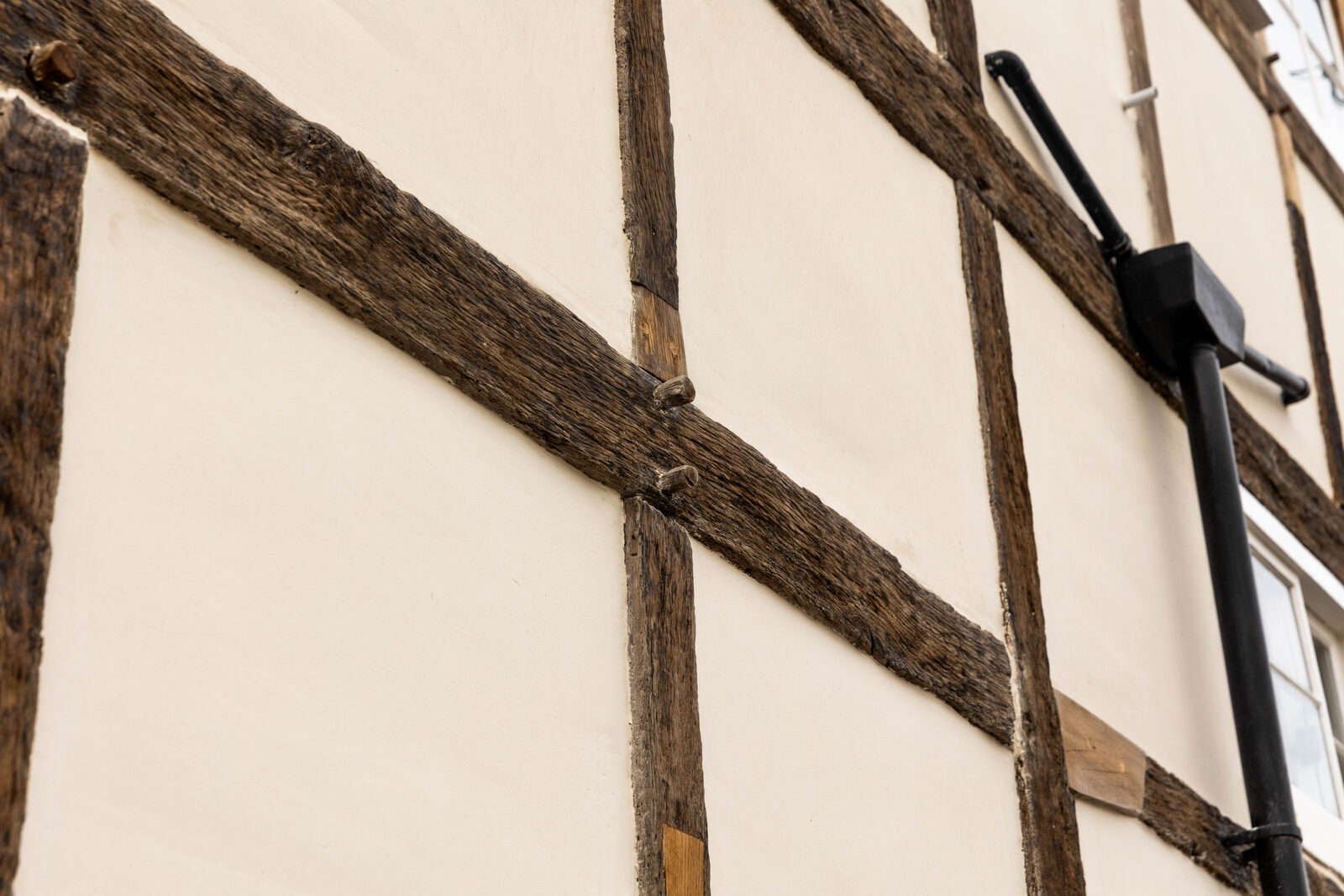
Lime render is made with lime and no cement. It is softer than cement render, and because it lets moisture pass through it, it is often called breathable. It is also flexible, and it was the usual render until early cements came in during the early 19th century.
Cement render is made with modern Portland cement. It is hard, inflexible and brittle, and water cannot pass through it.
Why that difference matters for an old house
Old walls are usually made of stone, brick, timber or earth, including cob and wattle and daub. All of these soak up moisture, and the wall stays healthy because that moisture can evaporate back out from the surface.
Modern houses are built differently. They have cavities and an outer layer that water cannot pass through, so the moisture is kept out in the first place.
So anything you put on an old wall needs to let moisture through. That includes the mortar, the plaster, the render and the paint.
What cement render does to an old wall
Cement render makes it hard for the wall to dry out. It is also more rigid than the wall, so hairline cracks form in it. Water is drawn into those cracks by capillary action, and once it is inside, the cement stops it getting out again. The render fails and the wall behind it starts to deteriorate.
Cement render also tends to fail in patches and come away from the wall, while lime render wears back gradually and more evenly. A crack of any size in cement render should be dealt with early, because it keeps drawing water into the wall.
Timber-framed and earth-built houses are especially at risk. If moisture builds up behind cement, they can suffer major structural damage.
How to tell if your house needs lime
Lime is the likely answer if your house:
- was built before the mid-19th century
- has solid walls of stone, brick, timber or earth, rather than cavity walls
If your house already has cement render
Cement render is common on old houses, because from the mid-20th century many had their lime render replaced with it. Taking the cement off is the ideal, but removing hard render can damage the wall behind it, so start with a small area as a trial.
Where the cement is causing the problem, it should come off if possible and be replaced with lime. If the cement render is badly damaged, removing it may be better than patching it, while lime render can usually be patched.
You are weighing the benefit of letting the building breathe against the damage that removal can do to the wall, and the right approach depends on your building. On listed buildings, we handle listed building consent applications and the conversation with conservation officers before any work starts.
On a stone building, existing lime render or limewash, which is a thin lime paint, should be kept, as stripping it can encourage damp. Every project we take on follows the principle of maximum retention and minimum intervention.
Once the cement is off, the wall underneath may be very wet. If it is, give it time to dry before the new render goes on, and repair any decayed backing first, or the new render can fail early. At Kent Cottage, we repaired the stone underneath before the new breathable lime render went on, which gives the render a solid base and helps stop it failing early.
Drying matters for the lime too. Ordinary lime hardens by carbonating, which is a chemical reaction, and lime on a soaking wall will not carbonate, so it will not harden.
A wall that has been under cement for some time is likely to hold a lot of salt, and the new lime render draws some of it out at first. That is the lime doing its job, because the salt goes into the render, which is easy to patch, rather than into the stone. Letting the wall dry out before the new render goes on helps too. Even so, a few patches, mostly near the base of the wall, may need re-rendering after a couple of years.
Looking after lime render
Limewash is normally the best finish for lime render, because it lets the wall breathe. Standard modern paints are usually less breathable and risk trapping moisture, and colourless water-repellent treatments are best avoided, as they can trap water behind the surface too.
Limewash is renewed from time to time to keep it working. We do limewash as well as lime render.
Small cracks in lime render can be watched, as they are unlikely to need immediate attention, and a coat of limewash can help to heal them.
Weather matters when the lime goes on. Fresh lime that has not yet carbonated must be protected from frost through the winter, and cold also slows its curing, so winter work needs more careful planning.
What we do with lime
We do render, plaster, pointing and wash, all in lime. We use it on the listed buildings and period homes we restore and renovate in West Sussex and Brighton, and we take lime render work across Sussex.
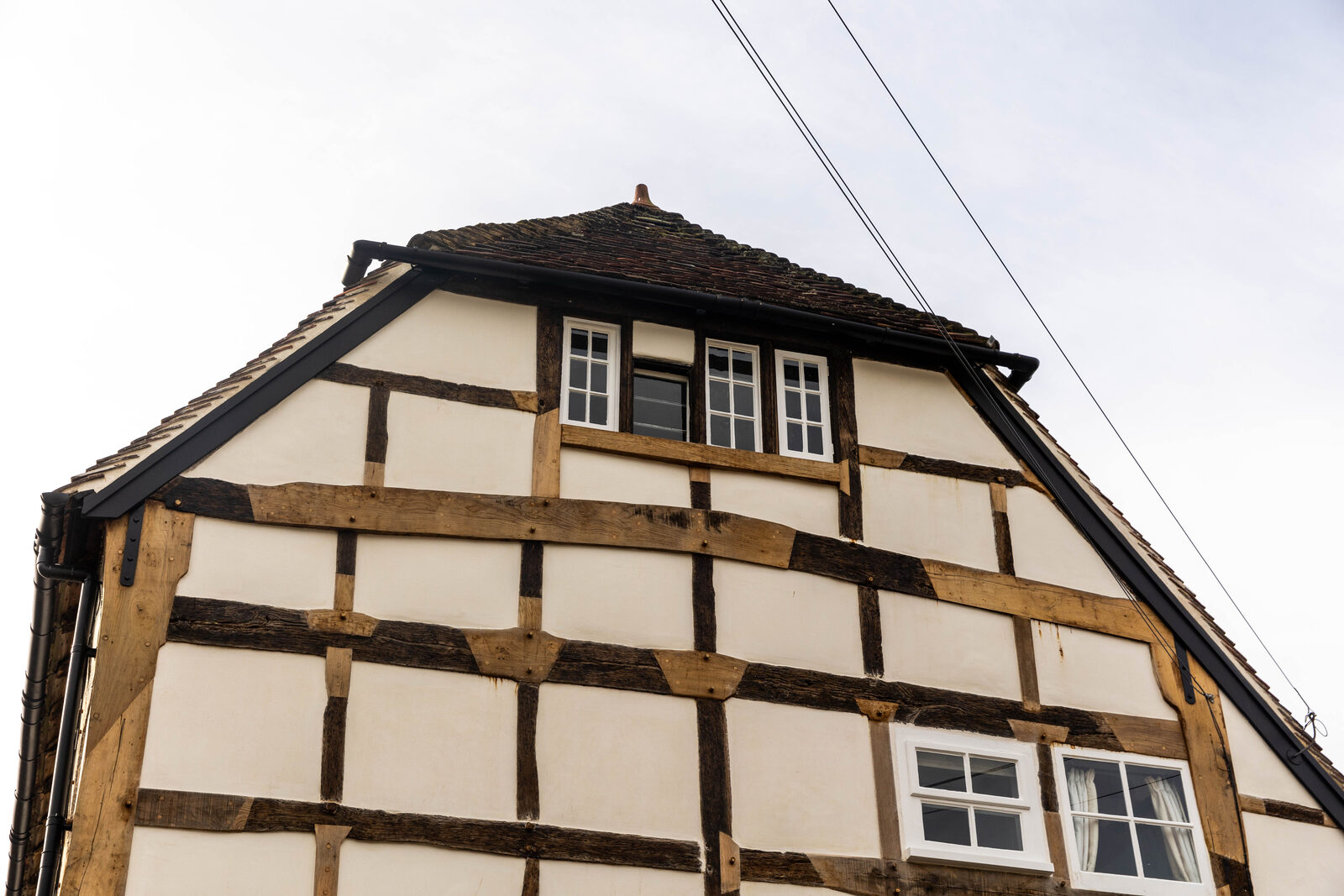
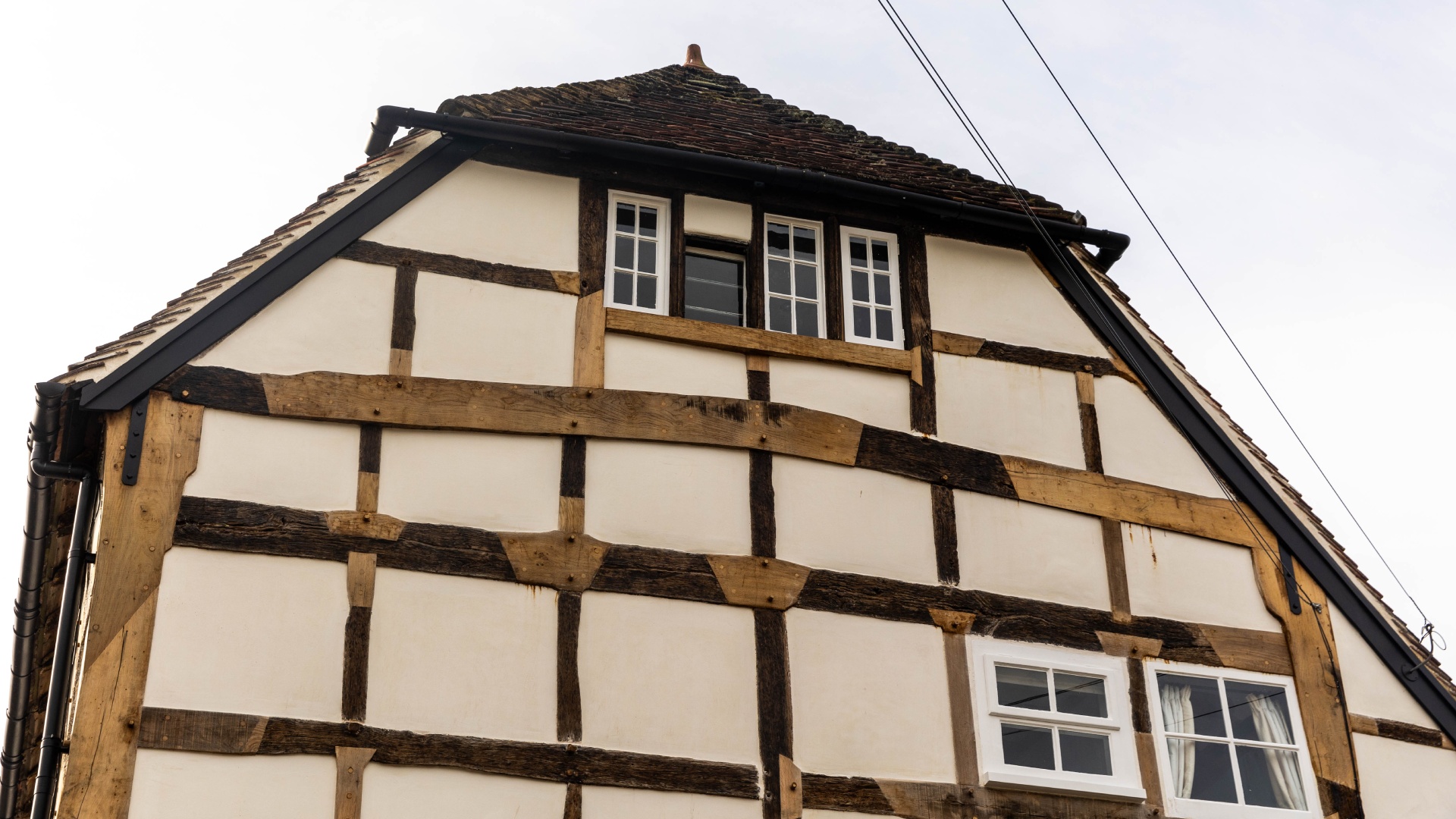
We were commissioned to repair Kent Cottage, a Grade II listed cottage where repairs from the 1990s had accelerated decay, and we applied a new lime finish that lets the walls breathe. See the project.
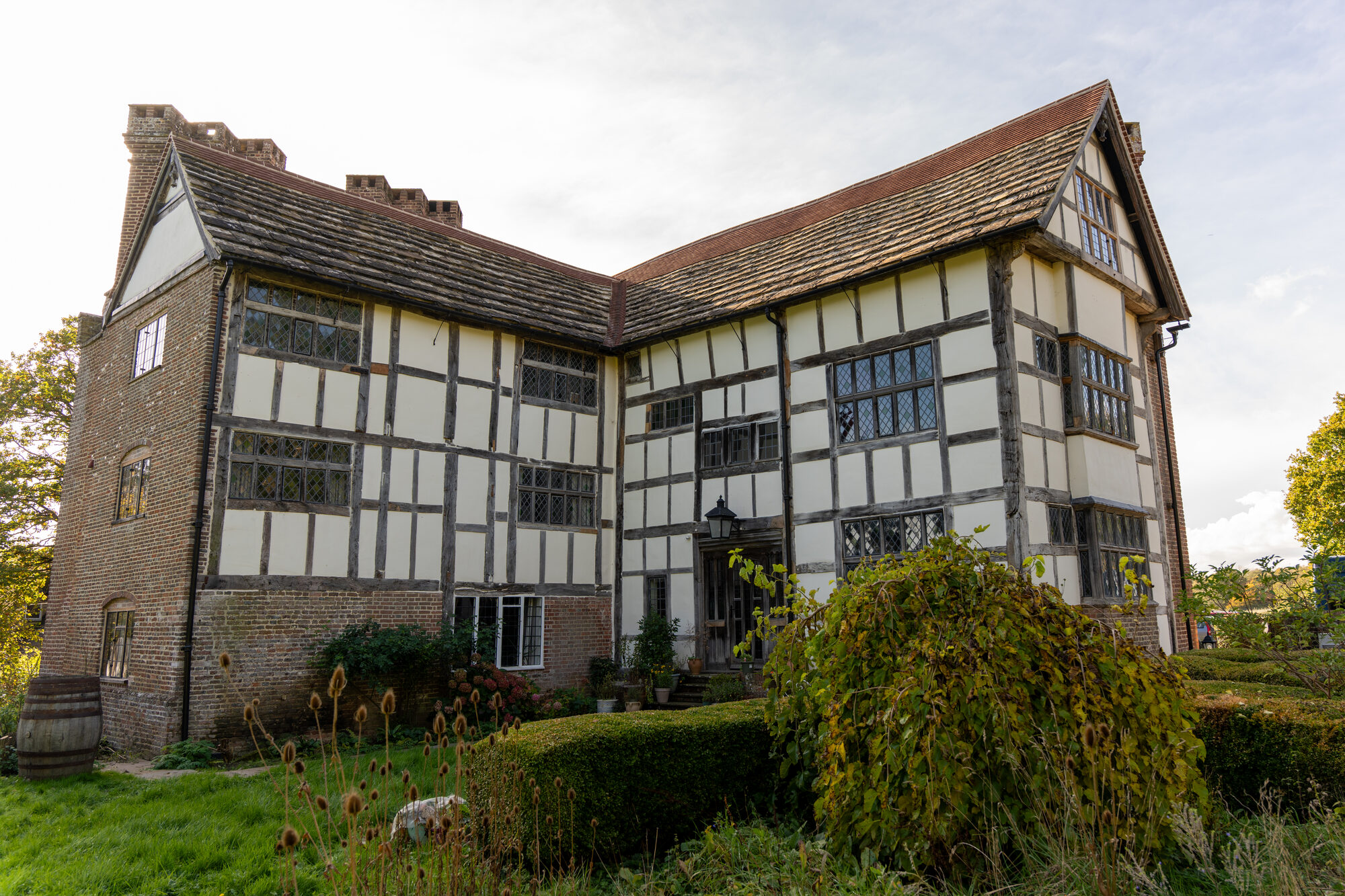
We were also commissioned to renovate Wapsbourne Manor, a Grade II* listed early 17th-century manor, where we used lime render to replace inappropriate modern materials. More lime-rendered façades are in our gallery.
We apply it wherever damp could be trapped behind cement render, so the building can breathe naturally. Where cement or other unsuitable modern materials have been put on an old building, we replace them with lime, for a more authentic and sustainable finish.
If you think cement render is trapping damp in your walls, get in touch.
Have a project in mind?
Tell us about the building.
Send the listing grade and a few photos, and we'll come back with a methodology.